
Cybersecurity Threats in 2026: Why It’s Only Getting Worse
Cybersecurity Threats in 2026: Why It’s Only Getting Worse
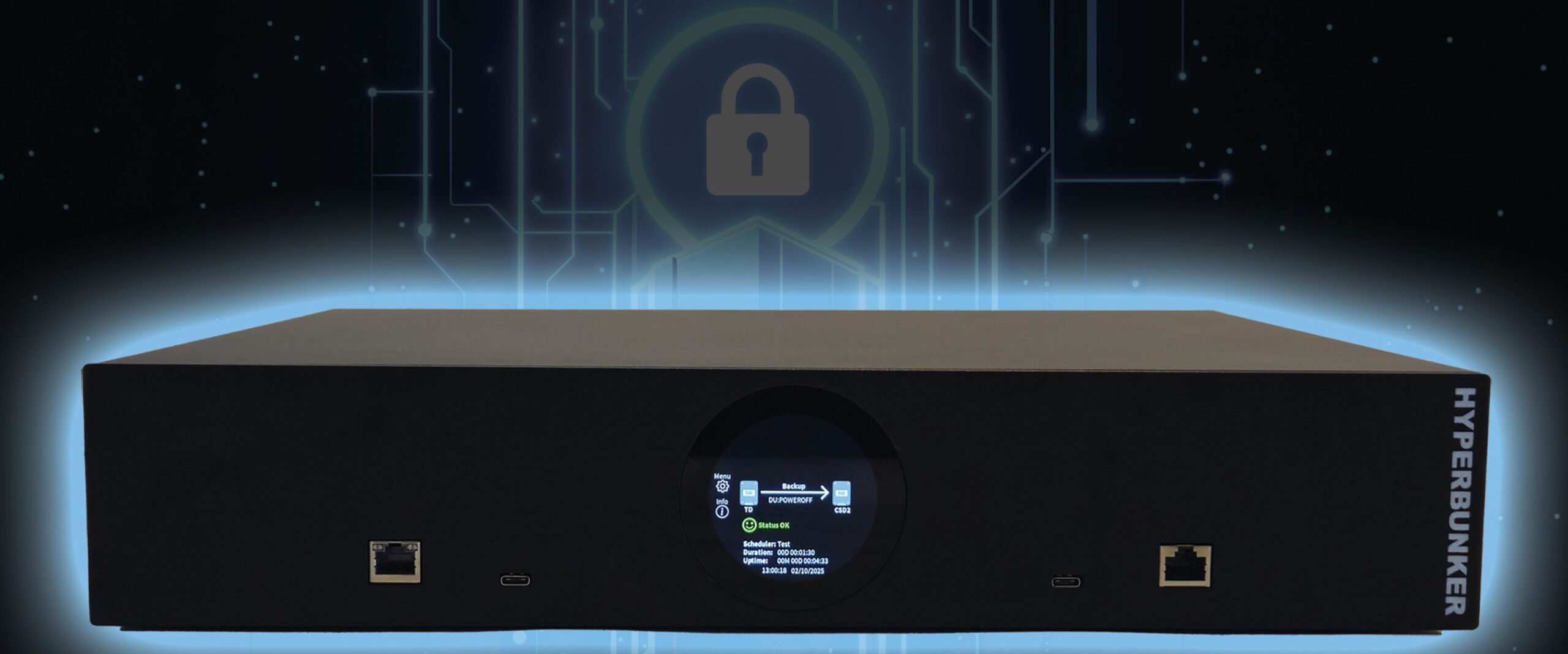
As we enter 2026, the cybersecurity landscape shows no signs of improvement, quite the opposite. Cyber threats are accelerating in both frequency and sophistication, creating an environment where organizations face unprecedented risks. Attackers are leveraging advanced technologies, exploiting global tensions, and targeting every sector with ruthless efficiency.
AI-Powered Attacks Become Standard
Artificial intelligence will transform cybercrime from manual operations to automated, intelligent campaigns. In 2026, expect AI-driven phishing that crafts hyper-personalized attacks using social media data, voice deepfakes for social engineering, and automated vulnerability scanning at enterprise scale. Traditional defenses struggle against opponents who can generate millions of custom attacks per hour.
Ransomware Evolves into Data Extortion
Ransomware groups have already moved beyond encryption to full data extortion, stealing, leaking, and auctioning sensitive information. In 2026, this trend intensifies with “double extortion” becoming triple: encrypt data, steal it, then DDoS critical services until payment. No industry is safe, and recovery costs skyrocket as attackers demand payment in stages.
Supply Chain Attacks Hit Record Levels
The 2024-2025 supply chain breaches exposed thousands of organizations through single vendor compromises. 2026 brings more targeted attacks against managed service providers, cloud platforms, and software vendors. One breach cascades across hundreds of customers, making third-party risk management more critical and more complex, than ever.
Quantum Computing Threats Emerge
While full-scale quantum computers remain years away, 2026 sees “harvest now, decrypt later” attacks proliferate. Nation-states and advanced criminals collect encrypted data today for future decryption. Organizations relying on current encryption standards face long-term existential risks unless they adopt quantum-resistant cryptography immediately.
Geopolitical Cyber Warfare Escalates
Global tensions drive state-sponsored cyberattacks against critical infrastructure, financial systems, and government targets. In 2026, hybrid warfare becomes standard, physical disruptions paired with digital sabotage. Businesses caught in crossfire suffer collateral damage through wiper malware, data destruction, and targeted disruptions.
The Remote Work Attack Surface Explodes
Permanent hybrid work eliminates traditional network perimeters. Personal devices, home networks, and unmanaged endpoints create massive vulnerabilities. Attackers exploit this through malvertising, mobile malware, and compromised VPNs. Security teams struggle to protect what they cannot see or control.
Regulatory Pressure Mounts
Governments worldwide tighten cybersecurity requirements in 2026. EU’s NIS2 directive, expanded SEC disclosure rules, and national data protection laws demand breach reporting within hours, mandatory audits, and C-level accountability. Non-compliance brings crippling fines, up to 4% of global revenue for GDPR violations alone.
Why 2026 Demands Immediate Action
The threat trajectory is clear: more intelligent attackers, larger attack surfaces, higher stakes, and zero margin for error. Organizations cannot afford to be reactive. Comprehensive cybersecurity must include:
-
Zero Trust Architecture across all environments and users
-
Immutable, Air-Gapped Backups for guaranteed recovery
-
Quantum-Resistant planning and testing
-
Continuous Employee Training against evolving social engineering
-
Third-Party Risk Management with real-time monitoring
The Bottom Line
Cybersecurity in 2026 will be worse, more pervasive, more damaging, more expensive. Attackers operate with military precision while many organizations cling to outdated defenses. The companies that thrive will treat cybersecurity as their highest priority, investing heavily in resilience, recovery capabilities, and proactive threat hunting.
Delay is not an option. The cost of inaction in 2026 will be measured in lost revenue, regulatory penalties, and shattered customer trust. Those who act decisively will not just survive, they will gain competitive advantage in a digital-first world.
Request a HyperBUNKER demo – get@hyperbunker.com
Author: Denis Eskic CISO, HyperBUNKER


